 CityBuddy
 English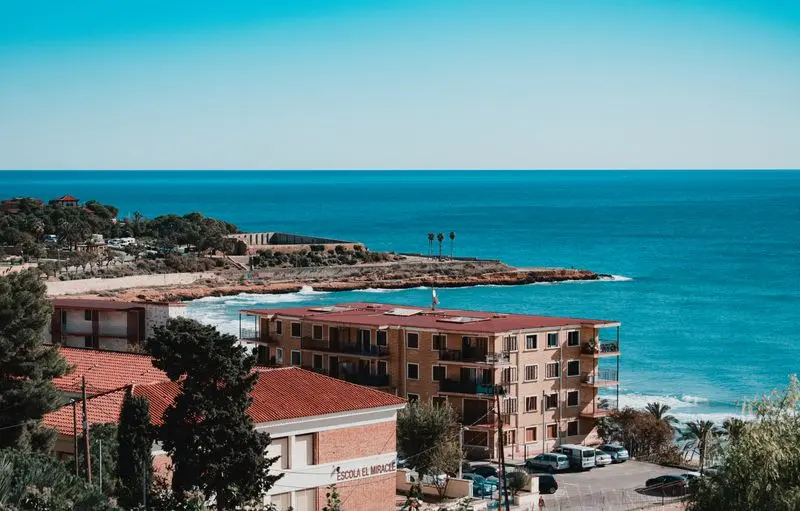
Things to Do in Tarragona, Spain
Photo made by Santiago Boada on Pexels.com
When to visit
Plan your perfect trip to Tarragona, Spain
Get a complete travel plan built just for you in under 30 seconds, with daily routes, local food tips, budget estimates and more.
Are any of these especially important to you?
Select all that apply
Plan language: EnglishMost popular attractions in Tarragona, Spain
If you are looking for things to do in Tarragona, Spain, start with the 2nd-century Tarragona Amphitheatre, which overlooks the Mediterranean with space for 15,000 spectators. Then walk the 3.5-kilometer circuit of the Roman Walls, some sections dating to 200 BC. Finish at Balcó del Mediterrani for a sweeping coastal vista from 40 meters above sea level.
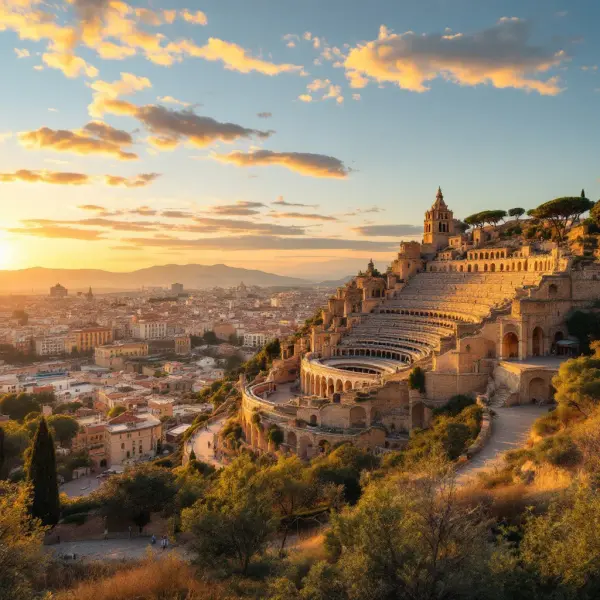
1. Tarragona Amphitheatre
Step into a 2,000-year-old Roman arena where gladiators once fought with the sea as their backdrop. You'll walk through the same stone archways and stand on sand where history's most dramatic moments unfolded.
Quick facts: Romans built this arena around 200 AD to stage gladiator battles and animal hunts. Gladiators fought and bled here while up to 14,000 spectators cheered from stone seats overlooking the Mediterranean Sea.
Highlights: After the gladiator era ended, Christians were executed here, and later a medieval church was built right into the arena's stone walls. You can still see the faint outlines of the church foundations pressed against the Roman masonry, a rare layered history in a single frame.
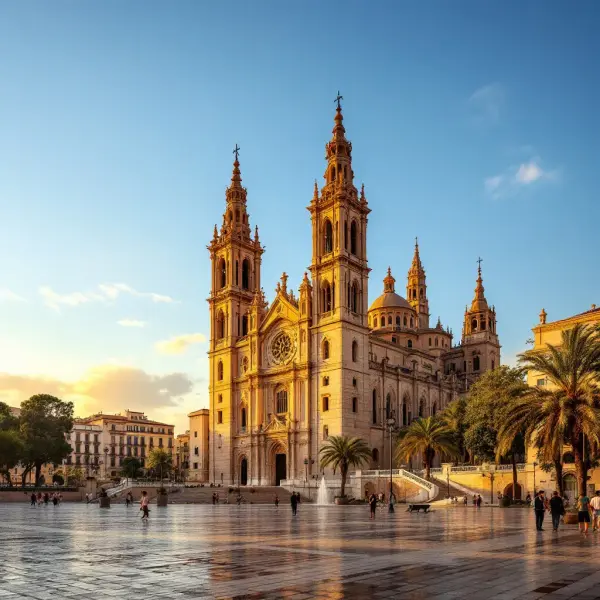
2. Tarragona Cathedral
Centuries of history carved into every stone, from Roman foundations to Gothic spires. Step inside to find a quiet cloister where the past feels almost touchable.
Quick facts: Two completely different architectural styles meet under one roof. The Gothic nave rises above a 12th-century Romanesque cloister where cats have been living for centuries.
Highlights: One stone inside the cloister wall shows a cat's paw print pressed into the mortar from over 800 years ago. Locals say the cathedral's resident cats are direct descendants of the mousers that kept the medieval monastery rodent-free.
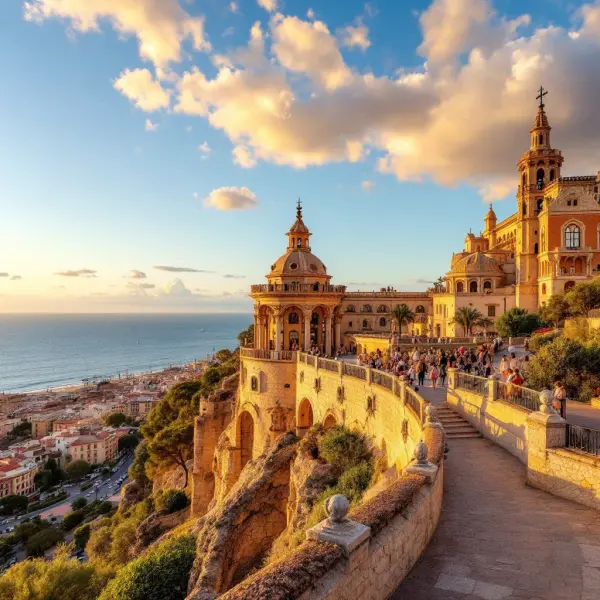
3. Balcó del Mediterrani
One of the best free viewpoints along the entire Catalan coast. Stand 60 meters above sea level and watch sailboats drift across a glittering Mediterranean horizon.
Quick facts: Perched 60 meters above the Mediterranean, this balcony offers sweeping views that stretch from the port of Tarragona to the distant Costa Daurada coastline. The viewpoint sits atop the ancient Roman Cyclopean Wall, built with massive stone blocks weighing up to 5 tons each.
Highlights: Come at sunset and watch the limestone balcony railings catch a warm golden glow while the sea turns deep sapphire below. On clear days you can spot the silhouette of the Ebro Delta, 30 kilometers away, jutting into the horizon.
Have you heard of free walking tours?
After traveling to 30+ countries, there's one thing I wish someone had told me from day one, and it completely changed how I experience new cities.
Free walking tours. Yes, actually free. No credit card needed. No catch.
Local guide, 2-3 hours
Major sights, hidden gems, local stories
100% tip-based
Guides earn only tips, so they give their absolute best
You tip what feels right
At the end, just tip whatever you feel is right
I've done these in dozens of cities and they've been the highlight of almost every trip. If you're visiting Tarragona, Spain, do this on your first day. You'll thank me later.
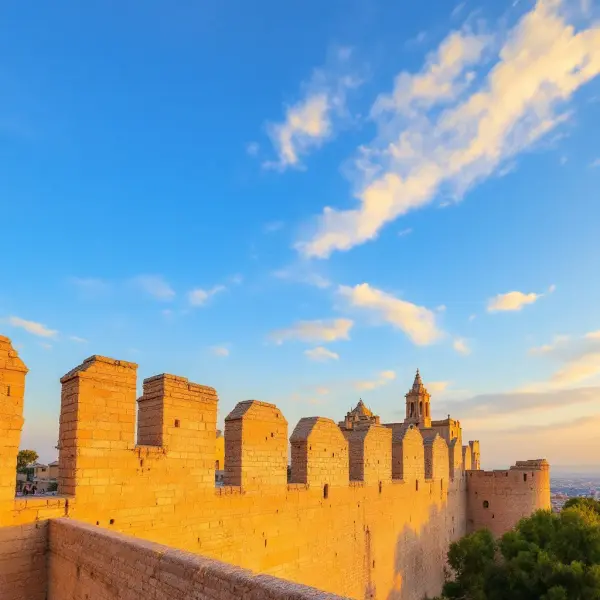
4. Roman Walls of Tarragona
Walk alongside 2,200-year-old Roman fortifications that once guarded the capital of an empire. Feel the rough, weathered stone under your fingertips as you trace the same perimeter Roman soldiers patrolled.
Quick facts: These Roman walls stretch for nearly 3.5 kilometers and reach up to 12 meters high in places, making them one of the best preserved Roman fortifications in Spain. Originally built between the 3rd and 2nd centuries BC, they protected the ancient city of Tarraco, capital of the Roman province of Hispania Citerior.
Highlights: Look closely at the base of the walls near the Portal del Roser and you'll spot massive original stone blocks, some weighing over 6 tons, stacked without mortar through sheer precision and gravity. The wall's Cyclopean masonry creates a haunting contrast against the medieval structures built on top centuries later, a layered history you can literally touch.
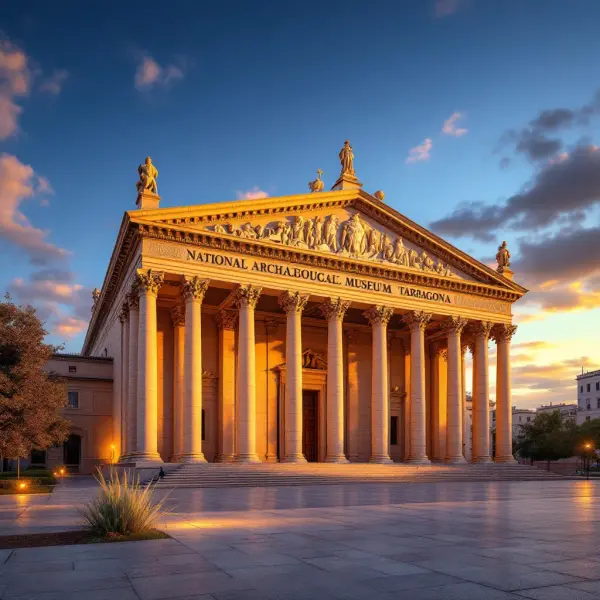
5. National Archaeological Museum of Tarragona
Wander through one of Spain's richest collections of Roman artifacts, from colossal sculptures to delicate everyday objects. You'll walk on glass floors above ancient Roman streets and come face-to-face with the legendary Medusa mosaic.
Quick facts: The collection houses over 25,000 objects spanning Roman history, with sculptures, mosaics, and everyday artifacts that tell the story of ancient Tarraco. One of the most stunning pieces is a massive 3rd-century mosaic of Medusa, covering an entire gallery floor with intricate details that still feel alive after 1,700 years.
Highlights: Walk into the main hall and you'll stand directly above a preserved stretch of the original Roman circus where chariots once thundered by. The museum's glass floor lets you peer down at the ancient cobblestones and drainage channels, making you feel like an archaeologist discovering the city layer by layer.
Where to Stay in Tarragona, Spain
Selected by City Buddy based on guest reviews and proximity to top attractions
Search all hotels in Tarragona, SpainPowered by agoda
Traditional Sweet Dishes
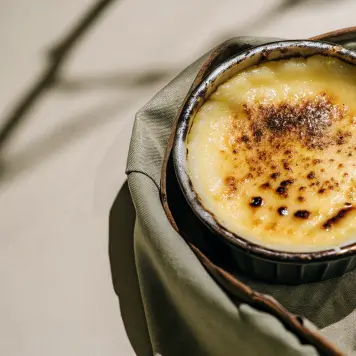
Crema Catalana
Crema Catalana is the Spanish sibling of crème brûlée, but with a distinct Catalan identity. It is traditionally served on Saint Joseph's Day (March 19) and flavored with cinnamon and lemon zest instead of vanilla.
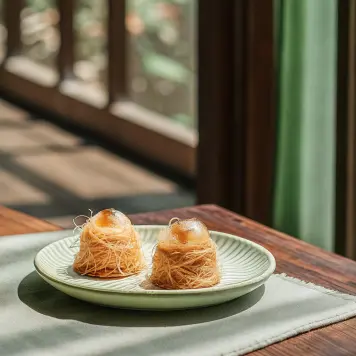
Pastissets de Cabell d'Àngel
These delicate pastries are filled with cabell d'àngel or angel's hair, a sweet jam made from pumpkin threads. The name literally means angel hair, referencing the translucent, stringy texture of the pumpkin preserve inside.

Carquinyolis
Carquinyolis are crunchy Catalan almond cookies similar to Italian biscotti, perfect for dunking in dessert wine. They are twice-baked for extra crunch and are a staple at festive gatherings across the Tarragona region.
Traditional Savory Dishes

Calçots with Romesco Sauce
Calçots are a type of sweet green onion grilled over open flames until charred, a signature of Tarragona's province. Locals gather for massive calçotades (feasts) where these onions are eaten by peeling the burnt layers and dipping them in rich romesco sauce made from almonds and roasted peppers.
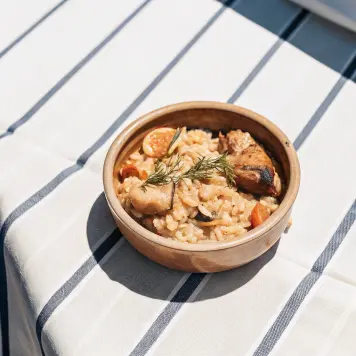
Arròs a la Cassola de Tarragona
This rustic casserole rice dish is Tarragona's take on paella, slow-cooked in a clay pot with local seafood, rabbit, and vegetables. The city's proximity to the Ebro Delta rice fields means the rice used is exceptionally fresh and flavorful.
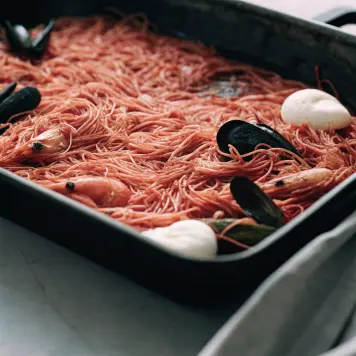
Fideuà
Fideuà is a beloved noodle-based dish similar to paella but made with short, thin vermicelli noodles instead of rice. It originated among fishermen on the Catalan coast who wanted a faster-cooking alternative to rice, and it is traditionally served with a dollop of garlicky allioli.
Traditional Beverages

Vermut de Tarragona
Tarragona has a deep-rooted vermouth tradition dating back to the 19th century, and local vermuterías are a cherished social ritual. The region's vermouth is made with macabeo or xarel·lo wine bases and a secret blend of local herbs, giving it a distinctive Mediterranean character.

Cava
While Cava is most famous in Penedès, much of this sparkling wine is actually produced from grapes grown in the vineyards around Tarragona. It is made using the traditional method (same as Champagne) but at a fraction of the cost, making it the go-to celebratory drink in Catalonia.

Ratafia
Ratafia is a traditional Catalan liqueur made by macerating green walnuts, herbs, and spices in brandy or aguardiente for months. It is often homemade in Tarragona's rural homes and is sipped as a digestif, believed to aid digestion after heavy meals.
Frequently Asked Questions about Tarragona, Spain
Is Tarragona, Spain safe?
How many days in Tarragona, Spain is enough?
What is the best time to visit Tarragona, Spain?
Is Tarragona, Spain expensive?
How to get around Tarragona, Spain?
Get a PDF with the most popular attractions sent to your email
Get a PDF with all attractions, ratings, and tips. Perfect for offline use.
Most popular day trips
Barcelona
Vibrant capital of Catalonia with Gaudi architecture and world-class museums.
Salou
Popular coastal resort with beaches and PortAventura theme park.
Sitges
Charming seaside town with beaches, art galleries, and nightlife.
Reus
Modernist architecture hub and birthplace of architect Antoni Gaudi.
Delta de l'Ebre
Stunning natural park with rice fields, wetlands, and birdwatching.
Rent a car in Tarragona, Spain
Getting there
Train stations
AVE high-speed rail from Barcelona, Madrid, and Valencia
Regional trains along the Costa Daurada coastline
From Barcelona Airport take the direct bus or train to Tarragona. Reus Airport is smaller with seasonal flights and bus connections to Tarragona.
Find flights to Tarragona, Spain
Click to get eSim for Tarragona, Spain
The easiest and most affordable way to get mobile internet wherever you travel.
Comments (9)
Food was solid but not mind blowing. Found a few good spots for seafood. The weather in late October was perfect for walking around though.
The Roman amphitheater right on the beach is absolutely wild. History and ocean in one view, could not believe it. Best thing we saw in Catalonia honestly.
The train from Barcelona is only like an hour and costs under 10 euros. Way easier than driving and you arrive right in the center. Don't bother with a rental car.
Hard to get around without a car if you wanna see more than just the city. We got stuck waiting for buses that kept showing up late.
Honestly thought the old town was way nicer than Barcelona's Gothic Quarter. Quieter, cheaper, and the cathedral is stunning. Only stayed 2 nights but wish we had 4.